Contribute to Caregiver-Focused Research
The Ontario Caregiver Organization is frequently asked to connect researchers and other stakeholder organizations with caregivers. Where appropriate, we will share these invitations and connect interested members with relevant parties.
In the past, we have supported focus groups with the Ontario Ombudsman office, research initiatives with various academic institutions and research to practice initiatives with various health care providers. We will continue to share these opportunities and thank caregivers who have engaged and contributed in this way.
There are external opportunity for caregivers in French only. For these opportunities, please visit Perspectives Aidance Naturelle in French: https://www.perspectivesaidancenaturelle.ca/occasions-externes
The Ontario Caregiver Organization is frequently asked to connect researchers and other stakeholder organizations with caregivers. Where appropriate, we will share these invitations and connect interested members with relevant parties.
In the past, we have supported focus groups with the Ontario Ombudsman office, research initiatives with various academic institutions and research to practice initiatives with various health care providers. We will continue to share these opportunities and thank caregivers who have engaged and contributed in this way.
There are external opportunity for caregivers in French only. For these opportunities, please visit Perspectives Aidance Naturelle in French: https://www.perspectivesaidancenaturelle.ca/occasions-externes
-
You cannot leave comment in this blogpost unless you are a part of the project panel.
Caring for Caregivers

About the Opportunity
The Carers Project team at McMaster University is inviting caregivers (care partners) of older adults aged 60 years or older living in Ontario to participate in a research study focused on developing strategies and interventions to support caregivers’ mental health and strengthen access to resources.
Your insights will help develop strategies to better support caregivers' mental health and inform resources and support for those experiencing social isolation.
What will be expected of me?
- Take photographs that document your experiences as a caregiver and share and discuss it in a 1-hour focus group session.
- Participate in a 1:1 interview (60 minutes) about your knowledge and use of resources/ interventions in the community that support your caregiving role.
- Attend a 90-minute community engagement activity to identify the critical issues that arose from the discussions that can be reasonably addressed within the next two years.
How can I participate?
You can fill out the form linked here to express interest or email caregiving@nurseworklife.com if you have any questions. More information about the study can be found here.
About the Opportunity
The Carers Project team at McMaster University is inviting caregivers (care partners) of older adults aged 60 years or older living in Ontario to participate in a research study focused on developing strategies and interventions to support caregivers’ mental health and strengthen access to resources.
Your insights will help develop strategies to better support caregivers' mental health and inform resources and support for those experiencing social isolation.
What will be expected of me?
- Take photographs that document your experiences as a caregiver and share and discuss it in a 1-hour focus group session.
- Participate in a 1:1 interview (60 minutes) about your knowledge and use of resources/ interventions in the community that support your caregiving role.
- Attend a 90-minute community engagement activity to identify the critical issues that arose from the discussions that can be reasonably addressed within the next two years.
How can I participate?
You can fill out the form linked here to express interest or email caregiving@nurseworklife.com if you have any questions. More information about the study can be found here.
-
You cannot leave comment in this blogpost unless you are a part of the project panel.
Share your thoughts about a novel AI tool that can support caregivers of people in long-term care.

Family caregivers of long-term care residents are often asked to decide whether the person they're supporting should be sent to hospital or stay in the home. That decision is hard, it usually happens quickly, and families rarely have anyone to think it through with. That's where CareGuide comes in: an AI agent you talk with by telephone, to help families work through that choice.
This study asks family caregivers to try CareGuide on a made-up scenario and share what they thought of it. They want to know three things:
- Whether caregivers find CareGuide acceptable,
- Whether it is easy to use, and
- Whether the recommendations it gives match what a physician would recommend for the same scenario.
What caregivers share will determine whether CareGuide is developed further and how it would be offered to families facing a real transfer decision.
The study is run by the Bruyere Health Research Institute, led by Dr. Daniel Kobewka, funded by AMS Healthcare, and approved by the Bruyere Health Research Ethics Board (REB-2026-103).
Am I eligible?
To be eligible, you must be family caregivers of a person living in a long-term care home. That includes family members, friends, or anyone else who helps care for a resident. The research is open to caregivers from all backgrounds. There is no requirement about the resident's diagnosis, the care relationship, or how long you have been a caregiver. Three practical requirements: you need access to a computer, you need a telephone for the conversation with CareGuide, and the study runs in English only at this time. No typing skills are needed. The scenario you read is fictional, so you never need to share real personal or health information about yourself or anyone else.
What will be expected of me?
About 30 minutes in total, done from home at your own pace. Read a short made-up story about a long-term care resident whose family has to decide about going to hospital. Have a telephone conversation with CareGuide about that decision, roughly 10 minutes, which is audio recorded. Fill in brief questionnaires before and after the call, roughly 20 minutes, covering how you felt about the decision and what you thought of CareGuide. Taking part is voluntary and you can stop at any time.
How do I participate?
Go to bruyere.agentnow.org. Everything happens on that one page: you read the consent form and agree, read the scenario, answer a short questionnaire, enter your phone number so CareGuide can call you, and then answer a second questionnaire after the call.
There is no waiting list and no sign-up step, so a caregiver who is interested can start and finish in one sitting.
Questions can go to Dr. Daniel Kobewka at dkobewka@toh.ca. Contacting us does not mean you have agreed to take part.
There is no honorarium, gift card, or prize draw. Caregivers are not paid for taking part.
Recruitment closes December 31, 2026.
Family caregivers of long-term care residents are often asked to decide whether the person they're supporting should be sent to hospital or stay in the home. That decision is hard, it usually happens quickly, and families rarely have anyone to think it through with. That's where CareGuide comes in: an AI agent you talk with by telephone, to help families work through that choice.
This study asks family caregivers to try CareGuide on a made-up scenario and share what they thought of it. They want to know three things:
- Whether caregivers find CareGuide acceptable,
- Whether it is easy to use, and
- Whether the recommendations it gives match what a physician would recommend for the same scenario.
What caregivers share will determine whether CareGuide is developed further and how it would be offered to families facing a real transfer decision.
The study is run by the Bruyere Health Research Institute, led by Dr. Daniel Kobewka, funded by AMS Healthcare, and approved by the Bruyere Health Research Ethics Board (REB-2026-103).
Am I eligible?
To be eligible, you must be family caregivers of a person living in a long-term care home. That includes family members, friends, or anyone else who helps care for a resident. The research is open to caregivers from all backgrounds. There is no requirement about the resident's diagnosis, the care relationship, or how long you have been a caregiver. Three practical requirements: you need access to a computer, you need a telephone for the conversation with CareGuide, and the study runs in English only at this time. No typing skills are needed. The scenario you read is fictional, so you never need to share real personal or health information about yourself or anyone else.
What will be expected of me?
About 30 minutes in total, done from home at your own pace. Read a short made-up story about a long-term care resident whose family has to decide about going to hospital. Have a telephone conversation with CareGuide about that decision, roughly 10 minutes, which is audio recorded. Fill in brief questionnaires before and after the call, roughly 20 minutes, covering how you felt about the decision and what you thought of CareGuide. Taking part is voluntary and you can stop at any time.
How do I participate?
Go to bruyere.agentnow.org. Everything happens on that one page: you read the consent form and agree, read the scenario, answer a short questionnaire, enter your phone number so CareGuide can call you, and then answer a second questionnaire after the call.
There is no waiting list and no sign-up step, so a caregiver who is interested can start and finish in one sitting.
Questions can go to Dr. Daniel Kobewka at dkobewka@toh.ca. Contacting us does not mean you have agreed to take part.
There is no honorarium, gift card, or prize draw. Caregivers are not paid for taking part.
Recruitment closes December 31, 2026.
-
You cannot leave comment in this blogpost unless you are a part of the project panel.
Are you a registered nurse caring for a medically complex/ hospitalized child?

About the Opportunity
Toronto Metropolitan University is recruiting 2-5 nurses who identify as a parent to participate in a study: Narrative Analysis: Perspectives on Parental Double Duty Caregiving. Their goal is to address a significant gap in understanding parental double-duty caregiving (pDDC), specifically healthcare professionals who provide care for their ill children. Guided by a critical feminist lens and using narrative analysis, this study seeks to examine the social, structural, and relational factors that shape the lived and storied experiences of pDDCs.
About the reserach investigator
The primary investigator for this research is Jamie Spiegel, Masters Nursing Student at Toronto Metropolitan University. All research will be supervised by my supervisor Dr. Oona St-Amant. Research Ethics Protocol for this study has been reviewed and approved by the Toronto Metropolitan REB (REB 2026-118).
The purpose of Jamie's thesis is to critically examine the multidimensional biopsychosocial factors that shape the storied experiences of pDDCs. The research question is "what factors shape parental double duty caregivers providing care to their medically complex children?"
In this study, medically complex children are defined as those who have been in a hospital or medical setting, have required at least one follow-up appointment, and have needed ongoing management, such as medication.
Am I eligible?
To be eligible for this study, you must meet the following criteria:
- Have a child with complex medical needs;
- Speak English
- Identify as a parent
- Currently work as a nurse (RN)
- Be over the age of 18 years
What will be expected of me?
Here's the timeline for data collection:
- Pre-interview journal (1hr prior to interview for 15 mins): Participants will be asked to describe what being a pDDC means to them.
- Interview #1 (approx. 60-90 minutes)
- Post-interview journal: Immediately after interview participants will be asked to take approx. 15 mins to write about their experience/anything they might have missed to include during the interview.
- Interview #2 (approx. 60 minutes): Composite story to be shared with participants. (Approximately 1-2 weeks post first interview)
Journal entries will be submitted via Google docs.
Incentive: As thanks for their time participants will receive a $15 gift card.
How do I participate?
Please contact Jamie Spiegel by email at Jamie.spiegel@torontomu.ca
About the Opportunity
Toronto Metropolitan University is recruiting 2-5 nurses who identify as a parent to participate in a study: Narrative Analysis: Perspectives on Parental Double Duty Caregiving. Their goal is to address a significant gap in understanding parental double-duty caregiving (pDDC), specifically healthcare professionals who provide care for their ill children. Guided by a critical feminist lens and using narrative analysis, this study seeks to examine the social, structural, and relational factors that shape the lived and storied experiences of pDDCs.
About the reserach investigator
The primary investigator for this research is Jamie Spiegel, Masters Nursing Student at Toronto Metropolitan University. All research will be supervised by my supervisor Dr. Oona St-Amant. Research Ethics Protocol for this study has been reviewed and approved by the Toronto Metropolitan REB (REB 2026-118).
The purpose of Jamie's thesis is to critically examine the multidimensional biopsychosocial factors that shape the storied experiences of pDDCs. The research question is "what factors shape parental double duty caregivers providing care to their medically complex children?"
In this study, medically complex children are defined as those who have been in a hospital or medical setting, have required at least one follow-up appointment, and have needed ongoing management, such as medication.
Am I eligible?
To be eligible for this study, you must meet the following criteria:
- Have a child with complex medical needs;
- Speak English
- Identify as a parent
- Currently work as a nurse (RN)
- Be over the age of 18 years
What will be expected of me?
Here's the timeline for data collection:
- Pre-interview journal (1hr prior to interview for 15 mins): Participants will be asked to describe what being a pDDC means to them.
- Interview #1 (approx. 60-90 minutes)
- Post-interview journal: Immediately after interview participants will be asked to take approx. 15 mins to write about their experience/anything they might have missed to include during the interview.
- Interview #2 (approx. 60 minutes): Composite story to be shared with participants. (Approximately 1-2 weeks post first interview)
Journal entries will be submitted via Google docs.
Incentive: As thanks for their time participants will receive a $15 gift card.
How do I participate?
Please contact Jamie Spiegel by email at Jamie.spiegel@torontomu.ca
-
You cannot leave comment in this blogpost unless you are a part of the project panel.
Help shape heart failure research

About the Opportunity
Researchers with the University of Ottawa Heart Insitute are looking for insights from caregivers who have supported someone with heart failure. They're looking to understand the connection between heart failure and brain-related changes (i.e. thinking, mental health). The purpose of the project is to develop the Top 10 priorities in brain-heart failure research.
What will be expected of me?
Completion of a brief, anonymous survey to help rank the questions that are most important for researchers to answer. Please note: You do not need to have participated in Survey 1 to participate in Survey 2.
Participants can choose to have their name entered in a draw for a $50 gift card. Not all participants receive a gift card.
How do I participate?
You can participate by visiting brainhf.com by September 30.
About the Opportunity
Researchers with the University of Ottawa Heart Insitute are looking for insights from caregivers who have supported someone with heart failure. They're looking to understand the connection between heart failure and brain-related changes (i.e. thinking, mental health). The purpose of the project is to develop the Top 10 priorities in brain-heart failure research.
What will be expected of me?
Completion of a brief, anonymous survey to help rank the questions that are most important for researchers to answer. Please note: You do not need to have participated in Survey 1 to participate in Survey 2.
Participants can choose to have their name entered in a draw for a $50 gift card. Not all participants receive a gift card.
How do I participate?
You can participate by visiting brainhf.com by September 30.
-
You cannot leave comment in this blogpost unless you are a part of the project panel.
Help Improve the Diabetes Care Journey

About the Opportunity
Health Commons Solution Lab, in collaboration with Shoppers Drug Mart, invite Peel Region residents affected by diabetes or prediabetes to understand their experiences and explore how pharmacy services can better support their care.
What will be expected of me?
- 60 to 90 minutes of your time
- Participate virtually or in-person
- Participate in individual or small group conversations
You'll receive a $50 Gift Card as a thank you for your time.
How do I participate?
Please contact Project Coordinator, Emma Chea (emma.chae@sinaihealth.ca or 647-234-9411) to express your interest.
About the Opportunity
Health Commons Solution Lab, in collaboration with Shoppers Drug Mart, invite Peel Region residents affected by diabetes or prediabetes to understand their experiences and explore how pharmacy services can better support their care.
What will be expected of me?
- 60 to 90 minutes of your time
- Participate virtually or in-person
- Participate in individual or small group conversations
You'll receive a $50 Gift Card as a thank you for your time.
How do I participate?
Please contact Project Coordinator, Emma Chea (emma.chae@sinaihealth.ca or 647-234-9411) to express your interest.
-
You cannot leave comment in this blogpost unless you are a part of the project panel.
Participate in a Youth Panel

About the Opportunity
Are you a young person who provides, or has provided, care or support to a family member, friend, or loved one? Researchers and educators at the University of Toronto and Royal Roads College are inviting young caregivers (ages 18-29) to join a virtual youth panel exploring how Canada’s health system can better recognize, include, and support young people who have caregiving responsibilities. This panel is part of a project to better understand ways health systems can support young caregivers.
About the panel
This panel is part of a presentation titled Toward a Caregiver‑Inclusive Health System: Understanding and Addressing the Barriers Young Caregivers Face at the 6th Annual Canadian Children, Youth and Communities (CCYC) In|Equity Conference at the University of Toronto. The goal is to ensure young caregivers’ voices guide recommendations for health-system leaders, clinicians, educators, and policymakers.
They want to hear directly from young caregivers about questions such as:
- What is it like to navigate the healthcare system as a young caregiver?
- When have healthcare professionals made you feel included—or excluded?
- What barriers make caregiving more difficult for young people?
- What kinds of information, recognition, or support would make a difference?
- What should healthcare professionals and decision-makers understand about young caregivers?
- What would a truly ‘caregiver-inclusive health system’ look like?
What would participation involve?
Panelists will take part in a one-hour facilitated virtual conversation, with 30 minutes dedicated to youth presenters and the rest to contextualizing the topic and audience participation, about young caregivers and the health system. Information and discussion questions ahead of time so you know what to expect.
- Date: October 28 at 2:30pm ET (to be finalized)
- Location: Virtual
Total Time Commitment: 3-4 hours, including a one-hour preparation call, your optional personal preparation time, a possible dry-run, the conference session, and a short, optional post-event group debrief. They are available for additional conversations about your presentation and contributions.
While they are not able to offer an honorarium for this panel. The researchers recognize that young caregivers’ time and insight are valuable. To honour that, participation is flexible and supportive. Panelists will be credited as contributors in an academic publication that will come out of this project. A recognition letter that you can use for your CV or future applications will be provided.
How to get involved
If you are interested in participating, please contact us at Dr. Kate Butler (katepbutler123@gmail.com and Dr. Uttam Bajwa uttam.bajwa@utoronto.ca) by September 8 You can write to either one of us. Please share a few sentences about yourself and why you would like to join the conversation. Even if you’re not sure if you meet the participation criteria, they'd love to hear from you.
About the Opportunity
Are you a young person who provides, or has provided, care or support to a family member, friend, or loved one? Researchers and educators at the University of Toronto and Royal Roads College are inviting young caregivers (ages 18-29) to join a virtual youth panel exploring how Canada’s health system can better recognize, include, and support young people who have caregiving responsibilities. This panel is part of a project to better understand ways health systems can support young caregivers.
About the panel
This panel is part of a presentation titled Toward a Caregiver‑Inclusive Health System: Understanding and Addressing the Barriers Young Caregivers Face at the 6th Annual Canadian Children, Youth and Communities (CCYC) In|Equity Conference at the University of Toronto. The goal is to ensure young caregivers’ voices guide recommendations for health-system leaders, clinicians, educators, and policymakers.
They want to hear directly from young caregivers about questions such as:
- What is it like to navigate the healthcare system as a young caregiver?
- When have healthcare professionals made you feel included—or excluded?
- What barriers make caregiving more difficult for young people?
- What kinds of information, recognition, or support would make a difference?
- What should healthcare professionals and decision-makers understand about young caregivers?
- What would a truly ‘caregiver-inclusive health system’ look like?
What would participation involve?
Panelists will take part in a one-hour facilitated virtual conversation, with 30 minutes dedicated to youth presenters and the rest to contextualizing the topic and audience participation, about young caregivers and the health system. Information and discussion questions ahead of time so you know what to expect.
- Date: October 28 at 2:30pm ET (to be finalized)
- Location: Virtual
Total Time Commitment: 3-4 hours, including a one-hour preparation call, your optional personal preparation time, a possible dry-run, the conference session, and a short, optional post-event group debrief. They are available for additional conversations about your presentation and contributions.
While they are not able to offer an honorarium for this panel. The researchers recognize that young caregivers’ time and insight are valuable. To honour that, participation is flexible and supportive. Panelists will be credited as contributors in an academic publication that will come out of this project. A recognition letter that you can use for your CV or future applications will be provided.
How to get involved
If you are interested in participating, please contact us at Dr. Kate Butler (katepbutler123@gmail.com and Dr. Uttam Bajwa uttam.bajwa@utoronto.ca) by September 8 You can write to either one of us. Please share a few sentences about yourself and why you would like to join the conversation. Even if you’re not sure if you meet the participation criteria, they'd love to hear from you.
-
You cannot leave comment in this blogpost unless you are a part of the project panel.
Help co-design a social prescribing program for caregivers

About the Opportunity
Researchers at McMaster University are looking for caregiver insights to inform a social prescribing program. These programs include non-medical prescriptions that strengthen health and well-being. Participants will be entered to win an iPad.
Who can participate?
They are looking for caregivers who meet the following criteria:
- Currently or recently working (within the last 12 months) in paid employment in any sector (full time or part time)
- Provide unpaid care to an adult dependent aged 18 or older or a child with disabilities
- Lives in Hamilton Ontario
What will be expected of me?
- You will complete two surveys (before and after the program)
- You will be engaging in a developed social prescribing program over the course of 6-weeks
- You will be offered Personal Support Worker Services for your care recipient throughout the duration of your participation in the intervention study
How do I participate?
You can get started by filling out the screening questionnaire. If you have any questions, you can contact Reemal Shahbaz: reemal.shahbaz@mail.utoronto.ca
About the Opportunity
Researchers at McMaster University are looking for caregiver insights to inform a social prescribing program. These programs include non-medical prescriptions that strengthen health and well-being. Participants will be entered to win an iPad.
Who can participate?
They are looking for caregivers who meet the following criteria:
- Currently or recently working (within the last 12 months) in paid employment in any sector (full time or part time)
- Provide unpaid care to an adult dependent aged 18 or older or a child with disabilities
- Lives in Hamilton Ontario
What will be expected of me?
- You will complete two surveys (before and after the program)
- You will be engaging in a developed social prescribing program over the course of 6-weeks
- You will be offered Personal Support Worker Services for your care recipient throughout the duration of your participation in the intervention study
How do I participate?
You can get started by filling out the screening questionnaire. If you have any questions, you can contact Reemal Shahbaz: reemal.shahbaz@mail.utoronto.ca
-
You cannot leave comment in this blogpost unless you are a part of the project panel.
Help Inform Dementia Research

About the Opportunity
Researchers with the University of Regina Aging, Residents, and Caregivers Research Unit are looking for caregivers who support someone living with dementia for their research. They are looking to help build a better understanding of the experience of lived time and well-being among people living with dementia.
What will be expected of me?
- Complete an online survey to determine your eligibility
- Reviewing the consent form
- Select a convenient time for an interview
- Provide information about how the person you care for experiences time, including the past, present and future. You can also share how this time related experience affects your daily life and wellbeing as a care provider
How do I participate?
You can participate by visiting this website to fill out the eligibility survey. If you have any questions please contact arcresearch@uregina.ca.
About the Opportunity
Researchers with the University of Regina Aging, Residents, and Caregivers Research Unit are looking for caregivers who support someone living with dementia for their research. They are looking to help build a better understanding of the experience of lived time and well-being among people living with dementia.
What will be expected of me?
- Complete an online survey to determine your eligibility
- Reviewing the consent form
- Select a convenient time for an interview
- Provide information about how the person you care for experiences time, including the past, present and future. You can also share how this time related experience affects your daily life and wellbeing as a care provider
How do I participate?
You can participate by visiting this website to fill out the eligibility survey. If you have any questions please contact arcresearch@uregina.ca.
-
You cannot leave comment in this blogpost unless you are a part of the project panel.
Research Study: Exploring the Use of ChatGPT in Caregiving

About the Opportunity
Are you a family caregiver of an older adult with a chronic illness who has used ChatGPT or similar AI tools to help with caregiving tasks?
Researchers are looking for caregivers who provide support to older adults (65+) with chronic illnesses and have used ChatGPT or similar AI tools to support caregiving.
What will be expected of me:
- Complete a short demographic survey
- Take part in a virtual interview (30-45 minutes) discussing your experiences using ChatGPT for caregiving.
- The interview will cover topics like:
- How you've used ChatGPT for information-seeking
- Using ChatGPT for emotional support
- Your experience with care coordination
- Any challenges or benefits you've encountered
How do I participate?
They are looking for 20 caregivers to participate. If you're interested, please contact Jayden Tang at jayden.tang@mail.utoronto.ca to express interest and for further information by September 15.
About the Opportunity
Are you a family caregiver of an older adult with a chronic illness who has used ChatGPT or similar AI tools to help with caregiving tasks?
Researchers are looking for caregivers who provide support to older adults (65+) with chronic illnesses and have used ChatGPT or similar AI tools to support caregiving.
What will be expected of me:
- Complete a short demographic survey
- Take part in a virtual interview (30-45 minutes) discussing your experiences using ChatGPT for caregiving.
- The interview will cover topics like:
- How you've used ChatGPT for information-seeking
- Using ChatGPT for emotional support
- Your experience with care coordination
- Any challenges or benefits you've encountered
How do I participate?
They are looking for 20 caregivers to participate. If you're interested, please contact Jayden Tang at jayden.tang@mail.utoronto.ca to express interest and for further information by September 15.
-
You cannot leave comment in this blogpost unless you are a part of the project panel.
Male Spousal Caregiver Research
About the Opportunity
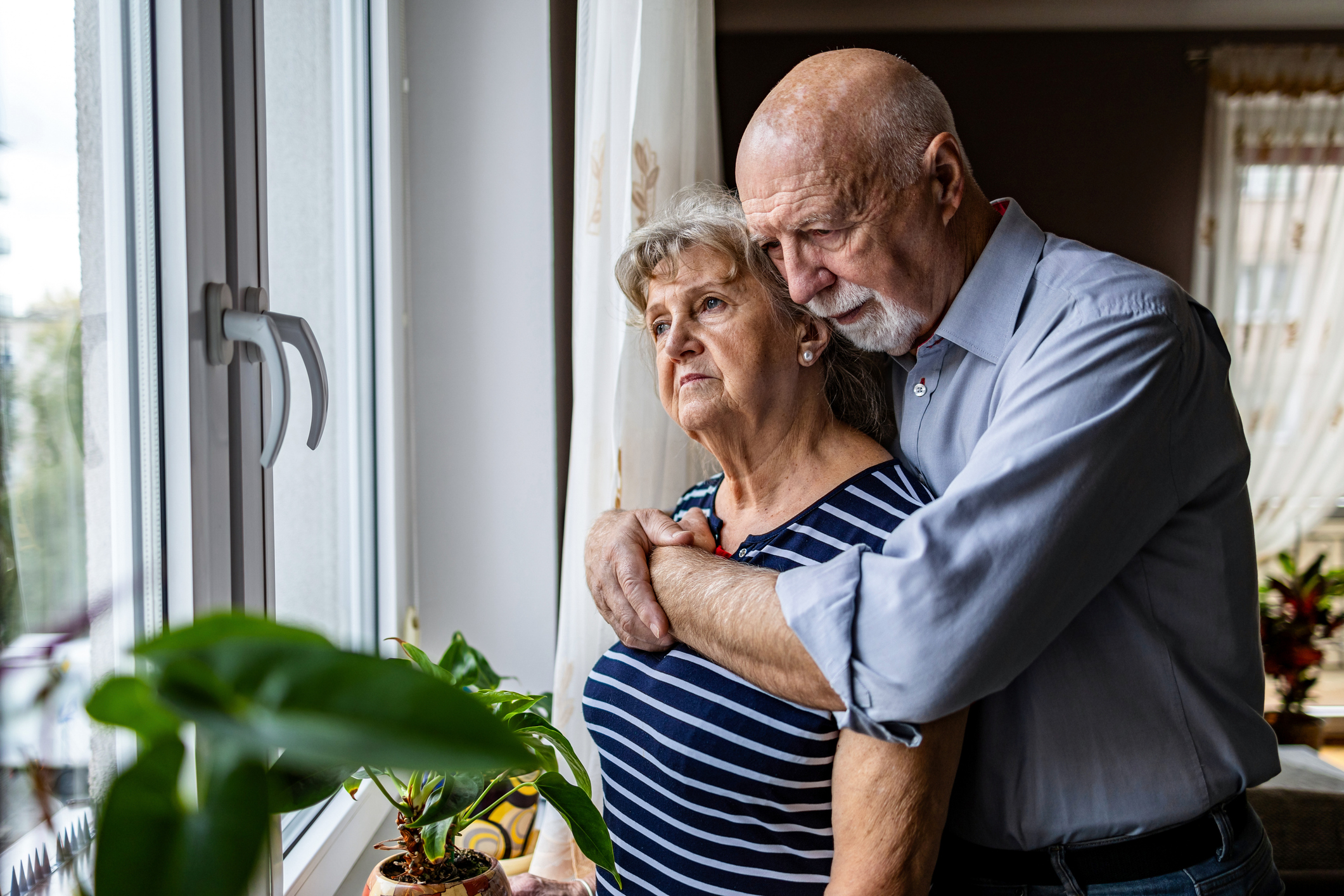
Researchers at UBC are recruiting male caregivers from across Canada for a study exploring the experiences of men who provide care to a spouse or partner. The study includes a photovoice component, where participants use photography to tell their caregiving story and reflect on their experiences.
This project seeks to better understand the gendered dimensions of older men’s masculine identities, roles and relations in the context of their spousal caregiving experiences. The findings will inform the development of a gender responsive facilitated peer support group program for older men who provide spousal care. You can learn more here.
What will be expected of me?
- Completing a brief demographic survey (10 minutes)
- Taking and submitting 5-10 photographs that illustrate caregiving experiences
- Narrating the photographs in a Zoom or in-person interview (1 hour)
- You will be eligible to receive an Amazon e-gift card for participating in the photovoice interview.
Who can participate?
Researchers are looking for participants who meet the following criteria:
- Speak and understand English
- Live in Canada
- Self-identify as a man
- Are aged 65 years or older
- Are currently caring for a spouse/partner in community, or an Assisted Living or Long-Term Care home
How do I participate?
If you are interested in participating, please contact project manager Dr. Nina Gao at nina.gao@ubc.ca.
About the Opportunity
Researchers at UBC are recruiting male caregivers from across Canada for a study exploring the experiences of men who provide care to a spouse or partner. The study includes a photovoice component, where participants use photography to tell their caregiving story and reflect on their experiences.
This project seeks to better understand the gendered dimensions of older men’s masculine identities, roles and relations in the context of their spousal caregiving experiences. The findings will inform the development of a gender responsive facilitated peer support group program for older men who provide spousal care. You can learn more here.
What will be expected of me?
- Completing a brief demographic survey (10 minutes)
- Taking and submitting 5-10 photographs that illustrate caregiving experiences
- Narrating the photographs in a Zoom or in-person interview (1 hour)
- You will be eligible to receive an Amazon e-gift card for participating in the photovoice interview.
Who can participate?
Researchers are looking for participants who meet the following criteria:
- Speak and understand English
- Live in Canada
- Self-identify as a man
- Are aged 65 years or older
- Are currently caring for a spouse/partner in community, or an Assisted Living or Long-Term Care home
How do I participate?
If you are interested in participating, please contact project manager Dr. Nina Gao at nina.gao@ubc.ca.